Timeline: 36 months
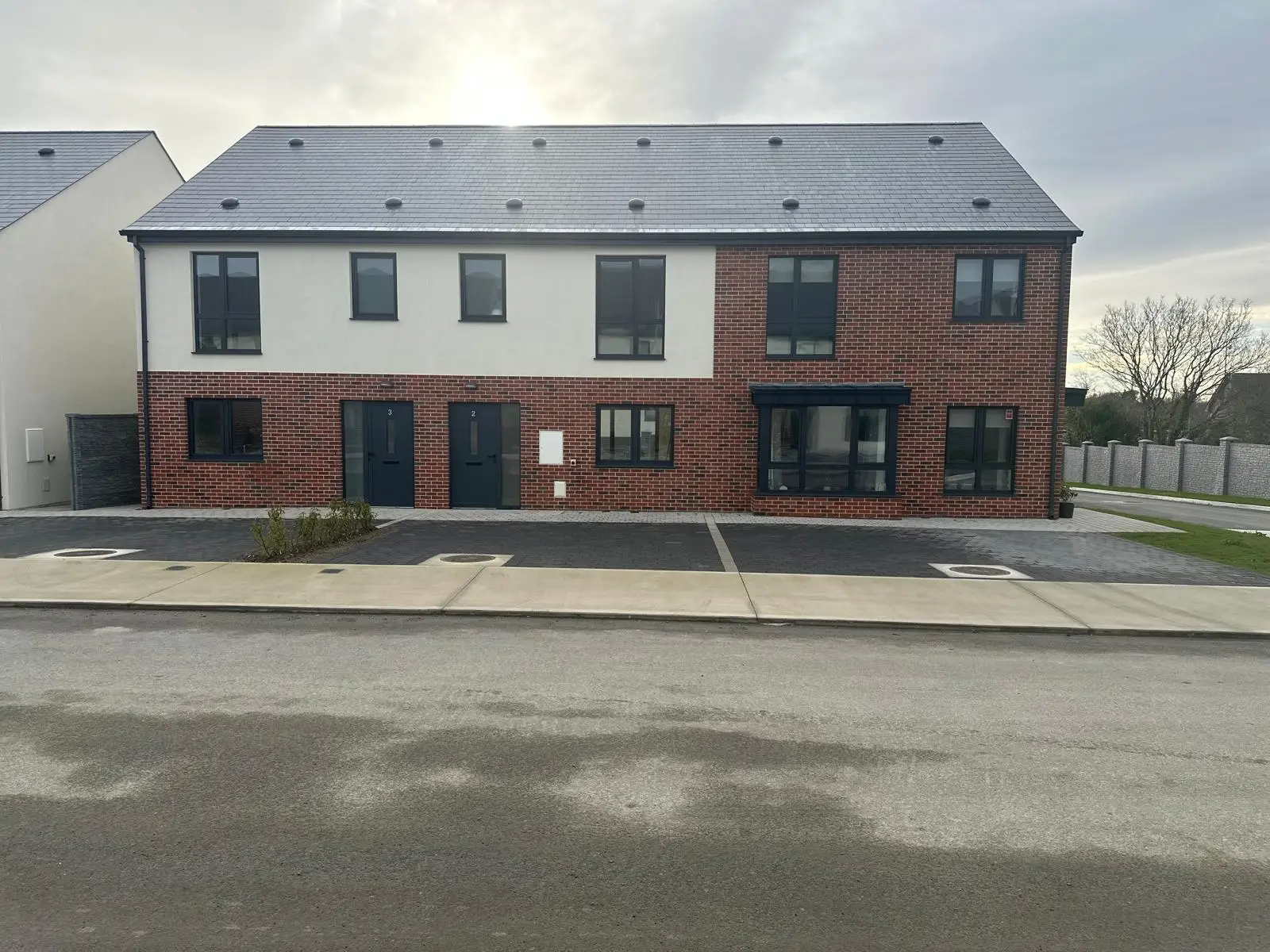
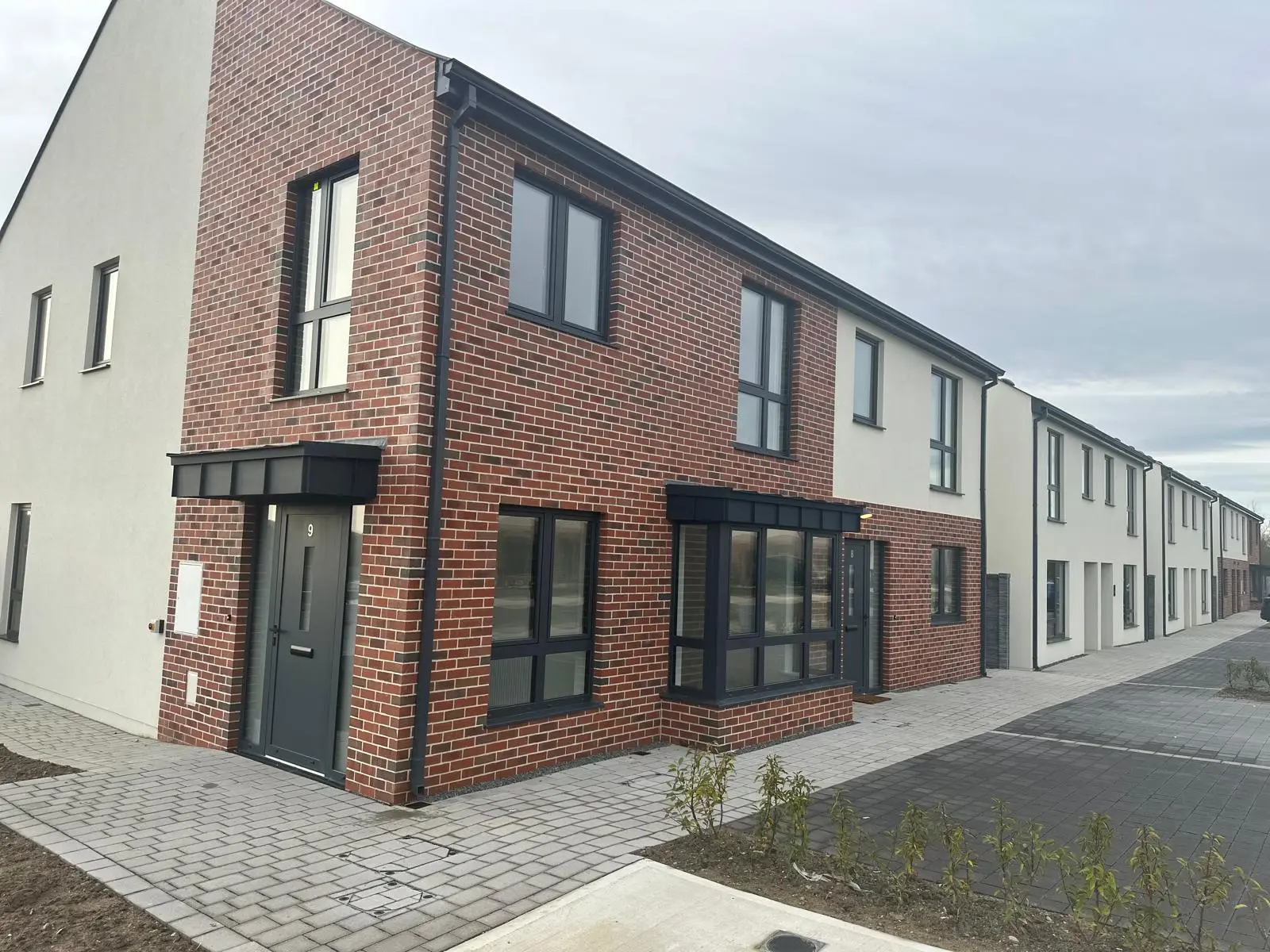
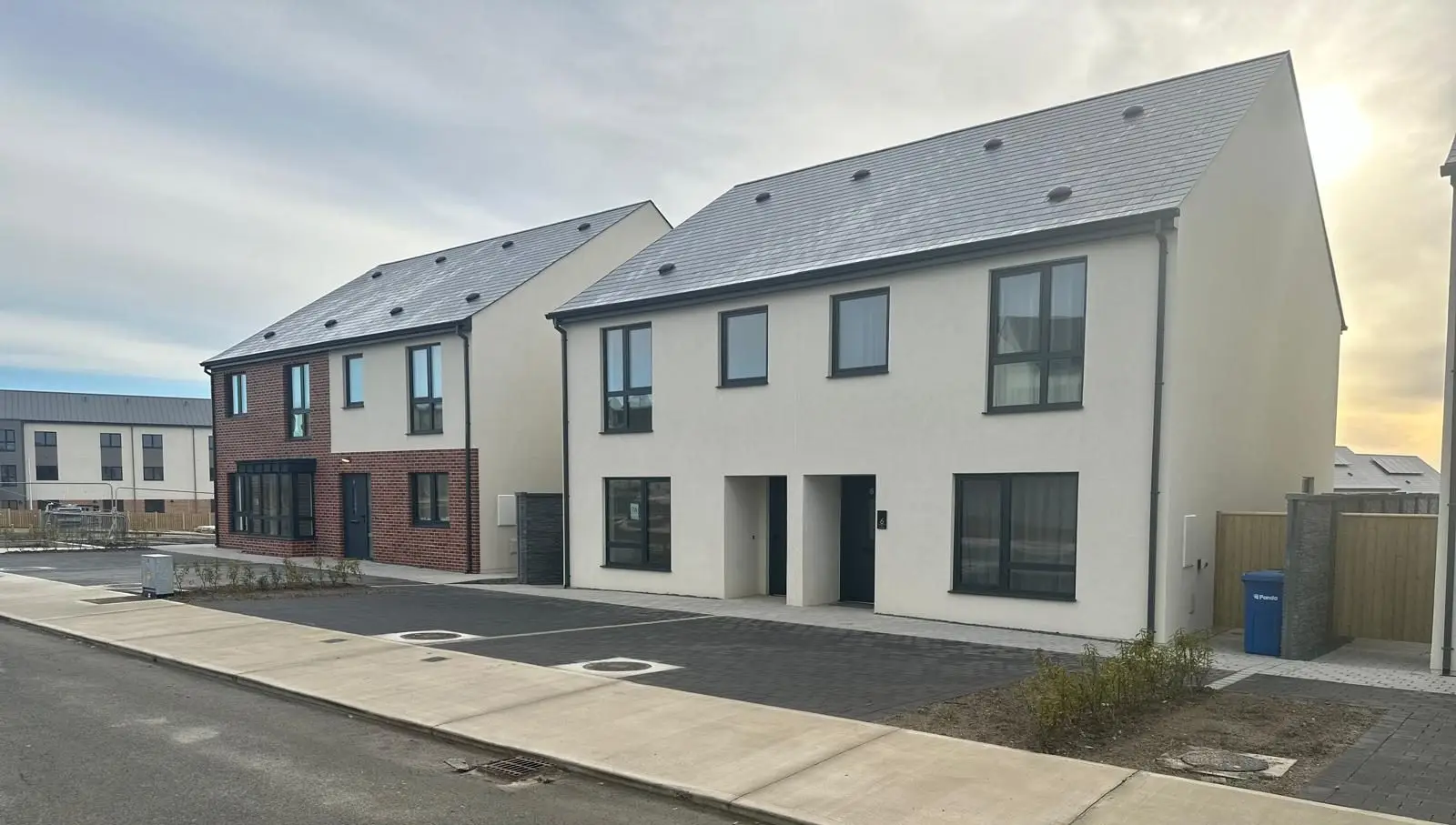
A recent collaboration with Axis Construction on the Clonattin Village is a compelling example of the potential of Amvic’s insulated concrete form (ICF) technology. Spanning a development of 365 units, Clonattin Village highlights the efficiency, durability, and sustainability that can be achieved when using Amvic ICF in large-scale residential construction.
The Project at a Glance
Located in the heart of County Wexford, Clonattin Village is a modern residential development comprising 365 energy-efficient homes. The project, led by Project Manager David Keating, was to meet tight construction deadlines while delivering housing that aligns with Ireland’s important focus on sustainable and eco-friendly building practices. Designed by the talented teams at Reddy Architecture + Urbanism and K-Design Studio, with structural engineering provided by the also talented Muirs Associates, construction began with an ambitious 36-month timeline via a method of construction that would ensure speed, precision, and performance without compromising on quality.
Amvic’s ICF systems is a modern method and significantly expedited construction, allowing rapid on-site assembly which kept the large-scale project on schedule. These systems also deliver excellent thermal performance, leading to superior energy ratings for homes at Clonattin Village, reducing heating costs and enhancing year-round comfort. Transforming residential construction with Amvic ICF at Clonattin Village

Working with Axis Construction, Paddy Daly and his team efficiently installed the Amvic ICF system across all 365 units. The use of ICF not only accelerated the project timeline but also simplified coordination between trades on-site. Walls were completed and ready for finishes in a fraction of the time required by traditional blockwork, enabling seamless integration of plumbing, electrical, and HVAC systems.
By the end of the 36-month project, the Clonattin Village development stood as a testament to modern construction excellence. The homes, designed with clean architectural lines and an emphasis on thermal performance, offered prospective buyers the best of both form and function.
Collaborating with Reddy Architecture + Urbanism and K-Design Studio, Amvic ICF played a vital role in meeting the design vision while also addressing practical construction demands. Structural engineers at Muirs Ass praised the system for its ease of integration with structural components, citing the material’s robustness and adaptability as key advantages.
For the construction team, the adoption of ICF technology represented a forward-thinking approach to residential building.
For future residents of Clonattin Village, the benefits of Amvic ICF are threefold. Each home delivers:
From the outset, the Clonattin Village project presented several challenges: a demanding schedule, the need to adhere to rigorous sustainability standards, and a commitment to providing long-lasting value for future homeowners. Amvic ICF addressed these challenges head-on.
Amvic ICF systems allowed for quick assembly on-site, significantly reducing build times. The formwork’s modular design enabled the construction team, led by experienced installer Paddy Daly, to complete walls faster than traditional methods, keeping the project on track despite the scale of development.
ICF technology inherently delivers exceptional thermal performance, which was a critical consideration for this project. By incorporating Amvic ICF, the homes at Clonattin Village achieved superior energy ratings, providing residents with reduced heating costs and greater comfort year-round.
Environmental responsibility was central to the project. Amvic ICF uses fewer natural resources compared to traditional masonry construction, and the energy savings over a building’s lifetime further reduce its carbon footprint. These factors aligned perfectly with Axis Construction’s commitment to green building practices.
Unlike conventional building materials, ICF provides enhanced durability and resilience. This made it the ideal choice for a residential development like Clonattin Village, where homeowners expect homes to stand the test of time with minimal maintenance.